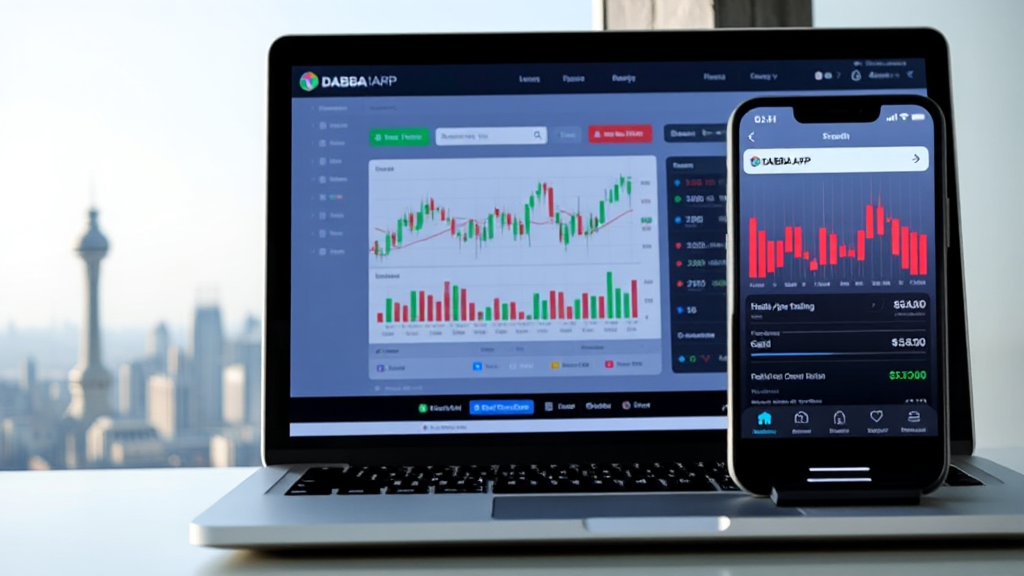
DABBA TRADING Explained: A Modern Approach to Commodity and Index Speculation
In the fast-evolving landscape of Indian financial markets, traders are constantly seeking efficient ways to capitalize on price movements, especially in commodities and indices. One term that has gained significant traction in recent years is DABBA TRADING. While the name might sound unconventional to the uninitiated, it represents a sophisticated method of speculation that appeals to a wide range of market participants. This article aims to demystify the concept, explore its mechanics, benefits, and risks, and provide a comprehensive overview for those considering this trading style. Whether you are a seasoned trader or a newcomer, understanding the nuances of this approach can help you make informed decisions. As we delve deeper, we will also highlight how platforms like the DABBA TRADING environment are reshaping the trading experience for Indian users.
What is DABBA Trading?
DABBA trading, at its core, refers to a form of speculative trading that focuses on price movements of underlying assets such as commodities (gold, silver, crude oil) and indices (Nifty, Bank Nifty). The term “dabba” in Hindi colloquially means a box or container, but in the trading context, it signifies a closed, controlled environment where trades are executed without direct exposure to the traditional exchange. In many cases, dabba trading operates as a parallel or unofficial market, where brokers match client orders against each other or against the broker’s own book, rather than routing them to the official exchange. However, the modern interpretation, especially as promoted by platforms like DABBA TRADING ID, has evolved to mean a streamlined, tech-driven approach to trading that offers speed and flexibility, often with lower transaction costs and simplified processes.
The essence of dabba trading lies in its focus on intraday and short-term price movements. Traders speculate on whether the price of an asset will rise or fall within a specific time frame, typically within the same trading day. This requires a keen understanding of market trends, technical analysis, and risk management. Unlike traditional trading, where settlement occurs on the exchange, dabba trading often settles directly between the client and the broker, making it faster but also carrying counterparty risk. As the financial ecosystem becomes more digitized, the line between traditional and dabba trading is blurring, with many platforms offering hybrid models that combine the best of both worlds.
How Does DABBA Trading Work?
To understand how dabba trading functions, it’s essential to break down the process into its fundamental components. First, a trader opens an account with a dabba trading provider, which gives them access to a proprietary trading platform. This platform displays live prices for various assets, often sourced from the official exchanges but presented in a simplified interface. The trader places orders based on their analysis, and the platform executes these orders instantly. The key difference from traditional trading is that the orders are not sent to the exchange; instead, they are matched internally within the platform’s network. This internal matching allows for faster execution and lower fees, as there are no exchange or clearing charges.
For example, if a trader believes that gold prices will rise, they can place a buy order for a certain quantity. If another trader on the platform is willing to sell, the trade is executed. The platform records the transaction and adjusts the traders’ balances accordingly. At the end of the day, all positions are settled, and profits or losses are credited to or deducted from the traders’ accounts. This settlement process is often more straightforward than traditional trading, which involves complex clearing and settlement cycles. Many modern dabba trading platforms, such as the one offered by MCX DABBA TRADING, provide real-time insights and analytics to help traders make better decisions. They also offer leverage, allowing traders to control larger positions with a smaller amount of capital, amplifying both potential profits and losses.
Key Advantages of DABBA Trading
One of the primary reasons traders are drawn to dabba trading is the speed of execution. In the fast-paced world of intraday trading, every second counts. Traditional trading platforms often have latency issues due to the multiple intermediaries involved. Dabba trading platforms, on the other hand, are designed for high-speed execution, ensuring that traders can enter and exit positions at their desired prices without slippage. This is particularly beneficial for scalpers and day traders who rely on small price movements.
Another advantage is the simplicity and user-friendliness of the platforms. Many dabba trading apps offer intuitive interfaces that are easy to navigate, even for beginners. They provide clear charts, real-time price updates, and one-click order placement. Additionally, the cost structure is often more transparent and lower than traditional brokerage. Since there are no exchange fees, traders can save on transaction costs, which is crucial for those who trade frequently. Moreover, dabba trading allows for flexible lot sizes, enabling traders to start with smaller capital. This accessibility has made it popular among retail traders in India who may not have the resources to trade large quantities on official exchanges.
Furthermore, dabba trading platforms often provide advanced tools such as technical indicators, price alerts, and risk management features. These tools help traders analyze market conditions and execute strategies effectively. The DABBA TRADING APP is a prime example of a platform that integrates these features seamlessly, offering a comprehensive trading solution for modern traders. With real-time insights and fast execution, traders can stay ahead of the curve and react swiftly to market changes.
Risks and Considerations
While dabba trading offers several benefits, it is not without risks. The most significant risk is counterparty risk. Since trades are not routed through an official exchange, the trader is exposed to the financial health and integrity of the broker or platform. If the platform becomes insolvent or engages in fraudulent practices, traders could lose their funds. Therefore, it is crucial to choose a reputable and reliable platform with a proven track record. The DABBA TRADING SITE emphasizes security and transparency, which are essential factors to consider when selecting a provider.
Another risk is the lack of regulatory oversight. Dabba trading, in its traditional form, often operates outside the purview of regulatory bodies like SEBI. This means that traders may not have the same legal protections as they would with exchange-traded instruments. Disputes may be harder to resolve, and there is no guarantee of fair treatment. Additionally, the leverage offered by dabba trading platforms can lead to substantial losses if not managed properly. Traders need to have a robust risk management strategy, including setting stop-loss orders and not over-leveraging their positions.
Market volatility is another factor to consider. Dabba trading is often focused on highly volatile assets like commodities and indices, which can experience sharp price swings. While this volatility can present profitable opportunities, it also increases the risk of significant losses. Traders must be prepared for rapid market movements and have the discipline to stick to their trading plans. It’s also important to note that dabba trading may not be suitable for long-term investors, as it is primarily designed for short-term speculation.
DABBA Trading vs. Traditional Trading
To fully appreciate dabba trading, it’s helpful to compare it with traditional exchange-based trading. Traditional trading involves buying and selling financial instruments on regulated exchanges such as NSE or BSE. These transactions are executed through registered brokers, and the exchange acts as a central counterparty, reducing counterparty risk. Settlement is typically T+2, meaning the trade is settled two days after the transaction. This process is transparent and regulated, providing a high level of investor protection.
In contrast, dabba trading operates on a more informal basis. The trades are settled directly between the client and the broker, often on a T+0 or same-day basis. This allows for faster access to funds and greater flexibility in terms of lot sizes and trading hours. However, the lack of a central clearinghouse means that the trader bears the risk of the broker defaulting. Additionally, dabba trading platforms may offer different products and margin requirements, which can be both an advantage and a disadvantage.
For many traders, the choice between dabba and traditional trading depends on their individual needs and risk tolerance. Those who prioritize speed, lower costs, and simplicity may prefer dabba trading. Those who value regulatory oversight and security may opt for traditional trading. Ultimately, a diversified approach that incorporates both methods could be beneficial, depending on market conditions and trading objectives.
Choosing the Right Platform for DABBA Trading
Selecting the right platform is crucial for a successful dabba trading experience. Here are some key factors to consider:
- Security: Ensure the platform uses robust encryption and has a strong track record of protecting user data and funds. Look for platforms that offer two-factor authentication and other security features.
- Execution Speed: Test the platform’s execution speed by using a demo account or observing the order placement process. Fast execution is vital for intraday trading.
- User Interface: A clean, intuitive interface can make a significant difference in your trading efficiency. Look for platforms that offer customizable dashboards, easy-to-read charts, and quick order entry.
- Customer Support: Reliable customer support is essential, especially when you encounter technical issues or have queries about trades. Check if the platform offers support via multiple channels such as live chat, email, or phone.
- Fees and Charges: Compare the fee structures of different platforms. While dabba trading generally has lower fees, it’s important to understand any hidden charges, such as withdrawal fees or inactivity fees.
- Real-Time Insights: Platforms that provide real-time market data, news, and analytical tools can give you a competitive edge. The DABBA TRADING APP is known for its real-time insights, making it a popular choice among traders.
Strategies for Successful DABBA Trading
To maximize your chances of success in dabba trading, it’s essential to develop a solid strategy. Here are some proven approaches:
- Trend Following: This strategy involves identifying the direction of the market and trading in that direction. Use moving averages, trendlines, and other technical indicators to spot trends early.
- Scalping: Scalping involves making multiple trades throughout the day to capture small price movements. This requires quick decision-making and a platform with high-speed execution.
- Breakout Trading: Breakout strategies involve entering a trade when the price breaks through a key support or resistance level. This can lead to significant profits if the breakout is strong.
- Risk Management: Always use stop-loss orders to limit potential losses. Determine your risk tolerance and set position sizes accordingly. Never risk more than a small percentage of your trading capital on a single trade.
- Continuous Learning: The market is constantly changing, so it’s important to keep learning. Follow market news, analyze your past trades, and adjust your strategies as needed.
Future of DABBA Trading
The future of dabba trading looks promising, driven by technological advancements and changing trader preferences. As more people gain access to smartphones and the internet, the demand for convenient, mobile-friendly trading platforms is on the rise. The integration of artificial intelligence and machine learning is also set to revolutionize dabba trading, providing more accurate predictions and personalized trading recommendations. Additionally, the increasing focus on financial inclusion in India is likely to bring more retail investors into the fold, further boosting the popularity of dabba trading.
However, the industry may also face increased regulatory scrutiny. As dabba trading grows, regulators may seek to bring it under a legal framework to protect investors. This could lead to more standardized practices and enhanced transparency, which would be beneficial for the industry in the long run. For now, traders should stay informed about any regulatory changes and choose platforms that prioritize compliance and ethical practices.
FAQs
What is DABBA trading?
DABBA trading is a form of speculative trading that focuses on short-term price movements of assets like commodities and indices. It operates on proprietary platforms that offer fast execution and lower costs, often without direct exchange involvement.
Is DABBA trading legal in India?
The legality of DABBA trading is a gray area. While it is not explicitly illegal, it often operates outside the purview of SEBI regulations. Traders should exercise caution and choose reputable platforms to mitigate risks.
How much capital do I need to start DABBA trading?
The capital requirement varies by platform. Some platforms allow you to start with as little as ₹10,000, while others may require more. It’s important to start with an amount you can afford to lose and gradually increase as you gain experience.
Can I trade DABBA on my mobile phone?
Yes, most modern DABBA trading platforms offer mobile apps that allow you to trade from anywhere. The DABBA TRADING APP is specifically designed for mobile use, providing real-time insights and fast execution on the go.
What are the common mistakes to avoid in DABBA trading?
Common mistakes include over-leveraging, ignoring risk management, trading without a strategy, and choosing unreliable platforms. Always do thorough research and practice with a demo account before trading with real money.